It is common to feel focused in the morning, only to find that your concentration starts to fade later in the day. You may feel mentally foggy, low on energy or less able to stay switched on, even when nothing obvious has changed.
While sleep, food, stress and workload all play a role, hydration can also influence how you feel. The connection between hydration and concentration is often overlooked, especially during busy days when drinking enough fluids becomes an afterthought.
Better hydration is not about doing anything extreme. It is about supporting your body consistently so energy, focus and mental clarity feel easier to maintain throughout the day.
Why Focus and Concentration Can Dip During the Day
Focus is not always steady from morning to evening. Long periods of sitting, screen time, meetings, commuting, irregular meals and busy routines can all make concentration feel harder as the day goes on.
Many people reach for coffee when this happens. While caffeine can feel useful in the moment, it does not always address the underlying reason you feel flat or foggy.
If you have gone several hours without enough fluid, your body may not be as well supported as it was earlier in the day. Even small changes in hydration can affect how alert and steady you feel.
The Link Between Hydration and Mental Clarity
Your body relies on water for many everyday functions, including circulation, nutrient transport and temperature regulation. These processes all support how you feel physically and mentally.
Electrolytes also play an important role. Minerals such as sodium, potassium and magnesium help support fluid balance and normal nerve function, both of which are relevant to focus and mental clarity.
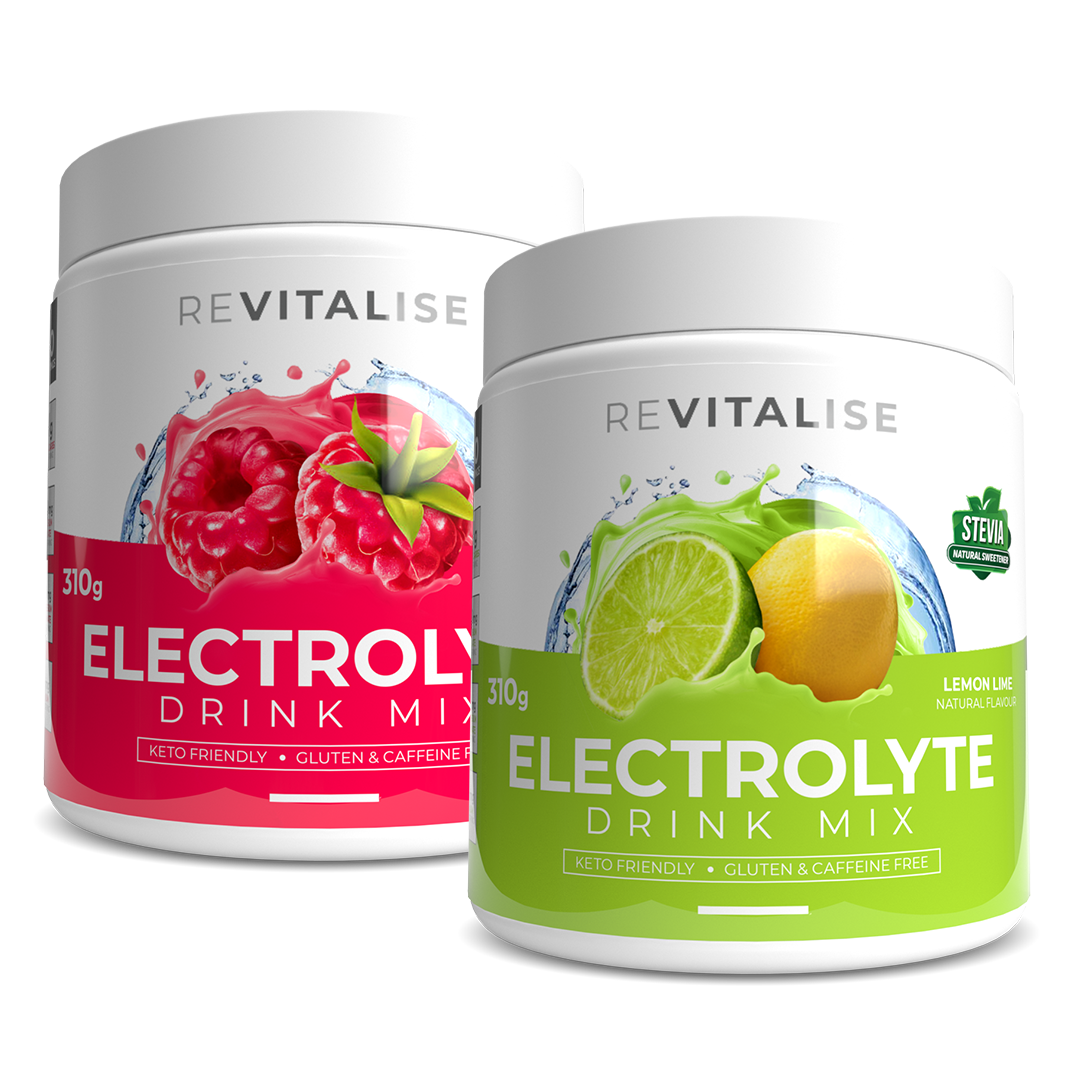
Including electrolytes as part of your daily routine can help support hydration in a simple, practical way, especially during busy or demanding days.
Can Mild Dehydration Affect How You Feel?
Mild dehydration does not always feel dramatic. You may not feel extremely thirsty, but you might notice that everyday tasks require more effort than usual.
This can show up as slower thinking, reduced concentration, headaches, low energy or a general feeling of being slightly off. It can be easy to blame workload or tiredness, when hydration may also be part of the picture.
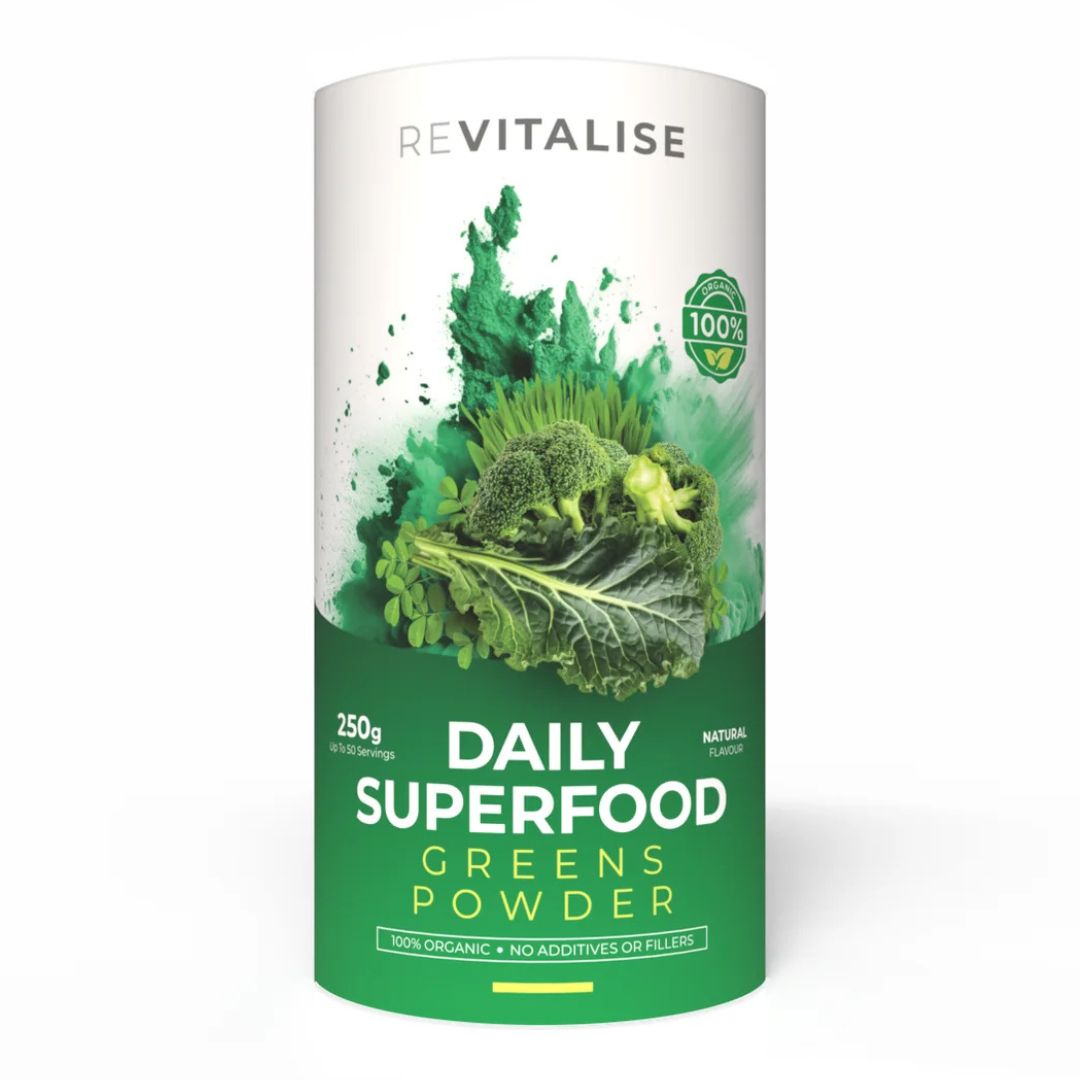
For everyday hydration support, options such as Balanced can fit naturally into your routine without overcomplicating things.
Common Signs Your Body May Need Better Hydration
Your body may give you small signals when hydration is not where it needs to be. These signs can be easy to miss, especially during a busy day.
You may notice:
- Difficulty concentrating
- Brain fog or slower thinking
- Low energy in the afternoon
- Headaches or lightheadedness
- Dry mouth or persistent thirst
- Wanting more caffeine without feeling more focused
These signs do not always mean dehydration is the only cause. However, they can be useful reminders to check whether your fluid intake has been consistent throughout the day.
Simple Ways to Support Focus Through Better Hydration
Supporting focus through hydration does not need to involve a complicated routine. Small habits are usually easier to maintain and often make the biggest difference over time.
Simple ways to support hydration include:
- Starting your day with water before coffee
- Keeping a drink nearby while working
- Taking small sips consistently instead of waiting until you feel thirsty
- Adding electrolytes during busy, warm or physically demanding days
- Limiting long gaps without fluid intake
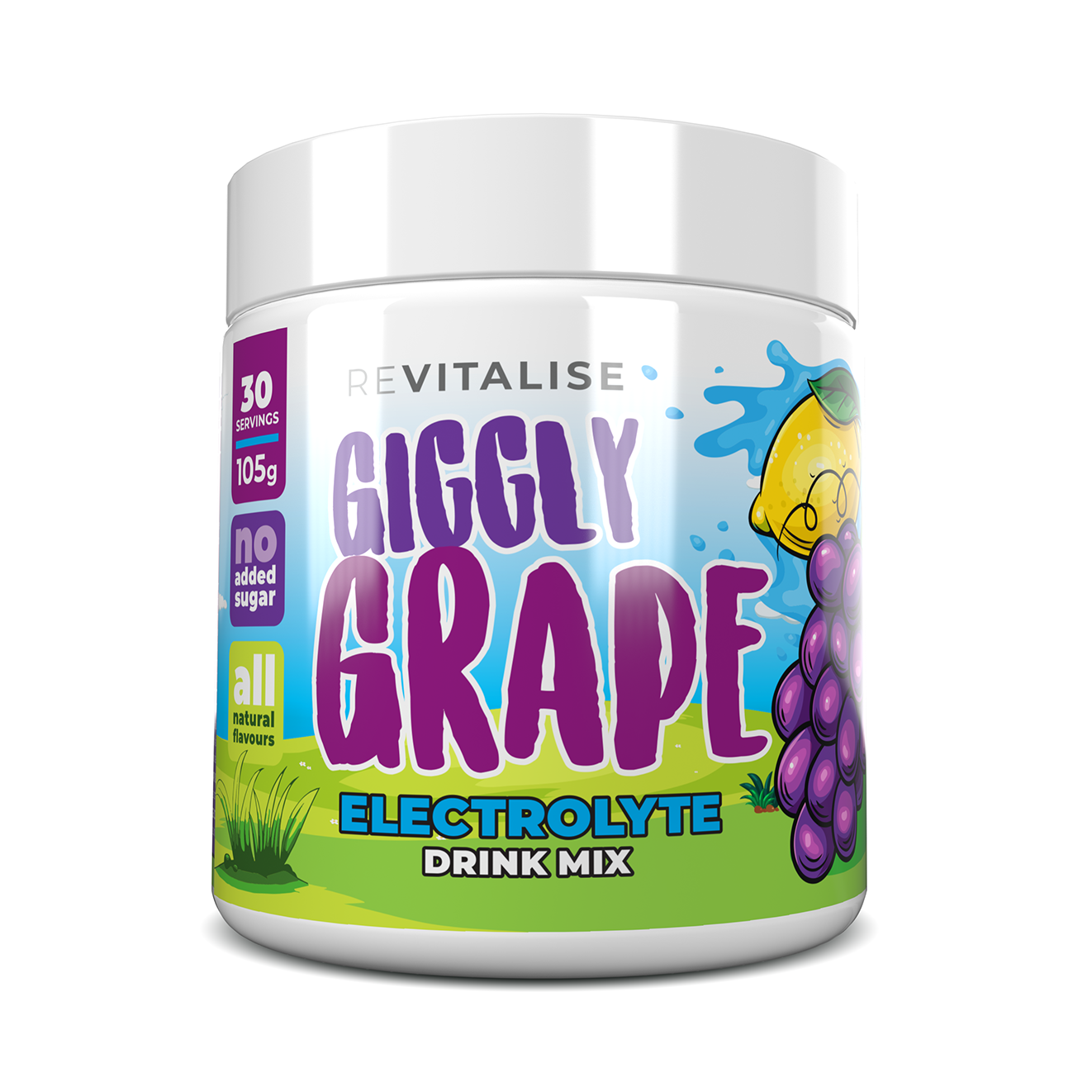
If your routine is especially demanding, options such as lifestyle hydration products can help make daily hydration feel more practical and easier to maintain.
Why Consistency Matters More Than Perfection
Hydration is most effective when it becomes part of your normal routine. Waiting until you feel tired, foggy or thirsty can make it harder to catch up later in the day.
The aim is not to drink perfectly every hour or follow a strict plan. It is about creating simple habits that support your body before you feel depleted.
When hydration is supported consistently, focus, concentration and mental clarity can feel easier to maintain during everyday life.