Hydration sounds simple. Drink water, feel better, carry on with your day. But for many women, it does not always feel that straightforward. Some weeks, you might feel energised and clear. Other weeks, you may feel more tired, puffy, bloated, snacky, flat or just not quite yourself. Even when your routine stays the same, the way your body feels can change across the month.
This is why hydration for women is not always about drinking more water once in a while. It is about having a consistent daily habit that supports your body through the natural shifts that can happen throughout your cycle, your lifestyle and your everyday routine.
At ReVitalise Daily, we believe hydration should feel easy, practical and supportive. It does not need to be complicated, clinical or overwhelming. It simply needs to fit into real life.
Why You Might Feel Different Across the Month
Many women notice physical and emotional changes at different points in the month. These can include changes in energy, appetite, mood, bloating, sleep, motivation and how comfortable your body feels overall. According to the American College of Obstetricians and Gynecologists, premenstrual symptoms can include appetite changes, sleep problems, tiredness, bloating and mood changes.
For some, these changes are very subtle. For others, they can be more noticeable, especially in the days before a period or during the first few days of bleeding. You might feel heavier, more tired, more sensitive to heat, more likely to crave salty or sweet foods, or less motivated to exercise.
These changes can happen for many reasons, including hormonal shifts, lifestyle factors, sleep, stress, food choices, training load and how much fluid you are taking in. Hydration is not a cure for cycle-related symptoms, but it is one of the most important basics to keep steady when your body already feels like it is changing.
Bloating and Fluid Changes
Bloating is one of the most common reasons women feel uncomfortable across the month. It can make your clothes feel tighter, your stomach feel heavier and your usual routine feel a little harder. While it might seem strange, drinking enough fluids can still be helpful during times when you feel bloated.
Fluid retention can be linked to the menstrual cycle for some women. Better Health Channel notes that some women experience fluid retention in the two weeks before menstruation, while Healthdirect Australia also lists hormones associated with the menstrual cycle as one possible cause of fluid retention.
When you feel puffy or uncomfortable, it can be tempting to drink less water, but this can make you feel worse. Your body still needs fluids to support digestion, circulation, temperature regulation and general wellbeing. Staying hydrated can help you feel more balanced, especially when paired with regular meals, gentle movement and enough rest.
Electrolytes for women can also be useful as part of a hydration routine, especially if you are sweating, training, travelling, spending time in warm weather or simply struggling to drink enough plain water. Electrolytes such as sodium, potassium and magnesium play a role in fluid balance, which is why they are often included in hydration products.
Energy Can Dip Too
Some women feel a shift in energy at different points of the month. You might feel strong and motivated one week, then slower, flatter or more tired the next. This can affect workouts, work days, family routines and even basic daily tasks.
Hydration will not replace sleep, food or rest, but dehydration can make tiredness feel worse. The Mayo Clinic lists tiredness, dizziness, dark-coloured urine and extreme thirst among the signs of dehydration in adults. That is why keeping fluids consistent throughout the day can be a simple way to support your baseline energy.
This is especially important if you are active. Whether you are walking, running, doing pilates, training at the gym or managing a busy day with children, your body is using fluids constantly. Replacing fluids and supporting your electrolyte intake can be a small but meaningful part of staying consistent.
Cravings, Salt and Feeling Off
Cravings can also shift throughout the month. Some women notice they want more salty foods, sweeter snacks or comfort meals before their period. This is very common and does not mean you are doing anything wrong.
Instead of fighting your body, it can help to focus on the basics first. Have you eaten enough? Have you had enough water? Have you included protein, carbohydrates and minerals? Have you rested properly?
Sometimes, feeling off can be a sign that your body needs a more supportive routine. Hydration is a good place to start because it is simple, low effort and easy to repeat daily. Adding electrolytes can also make water more enjoyable, which may help if you find plain water boring or difficult to drink consistently.
Why Plain Water Is Not Always Enough
Plain water is important, but there are times when your body may need more support. If you are sweating heavily, exercising, travelling, spending time in warm weather, fasting or feeling generally depleted, electrolytes can help support hydration more effectively than water alone.
Electrolytes are minerals that help your body manage fluid balance and normal muscle and nerve function. Cleveland Clinic explains that sodium helps cells maintain the right balance of fluid, while other electrolytes such as potassium and magnesium also support important functions in the body.
For women who experience shifts in energy, bloating or general wellbeing throughout the month, electrolyte drinks can be a simple way to make hydration feel more functional and consistent. The goal is not to overcomplicate your routine. The goal is to make hydration easier to maintain.
Hydration During Your Cycle
Hydration during your cycle can be approached in a practical way. You do not need a completely different routine every week, but you may find it helpful to pay closer attention to how you feel.
In the days before your period, you may want to focus on steady fluids, balanced meals and reducing large swings in caffeine, alcohol or high-sugar drinks if they make you feel worse. During your period, hydration may support your general comfort, especially if you feel tired or lower in energy. Around training days, hot days or busy work days, electrolytes can help make your hydration routine more reliable.
The key is consistency. Small daily habits often work better than only reacting when you already feel tired, bloated or run down.
Simple Ways to Support Hydration Throughout the Month
Keep a water bottle nearby during the day so you do not rely on remembering to drink later. Add electrolytes when you need extra support, especially around workouts, warm weather or busy days. Start your morning with water before coffee if you often wake up feeling dry or sluggish. Pay attention to your urine colour, thirst levels and energy as simple everyday cues. Choose sugar-free options if you want hydration support without adding unnecessary sugar to your daily routine.
It can also help to match your hydration habits to your lifestyle. If you are someone who forgets to drink, sachets may be easier to keep in your bag. If you prefer routine, a tub at home might work well. If you are active, having electrolytes before or after training can make it easier to stay consistent.
How ReVitalise Daily Can Fit Into Your Routine
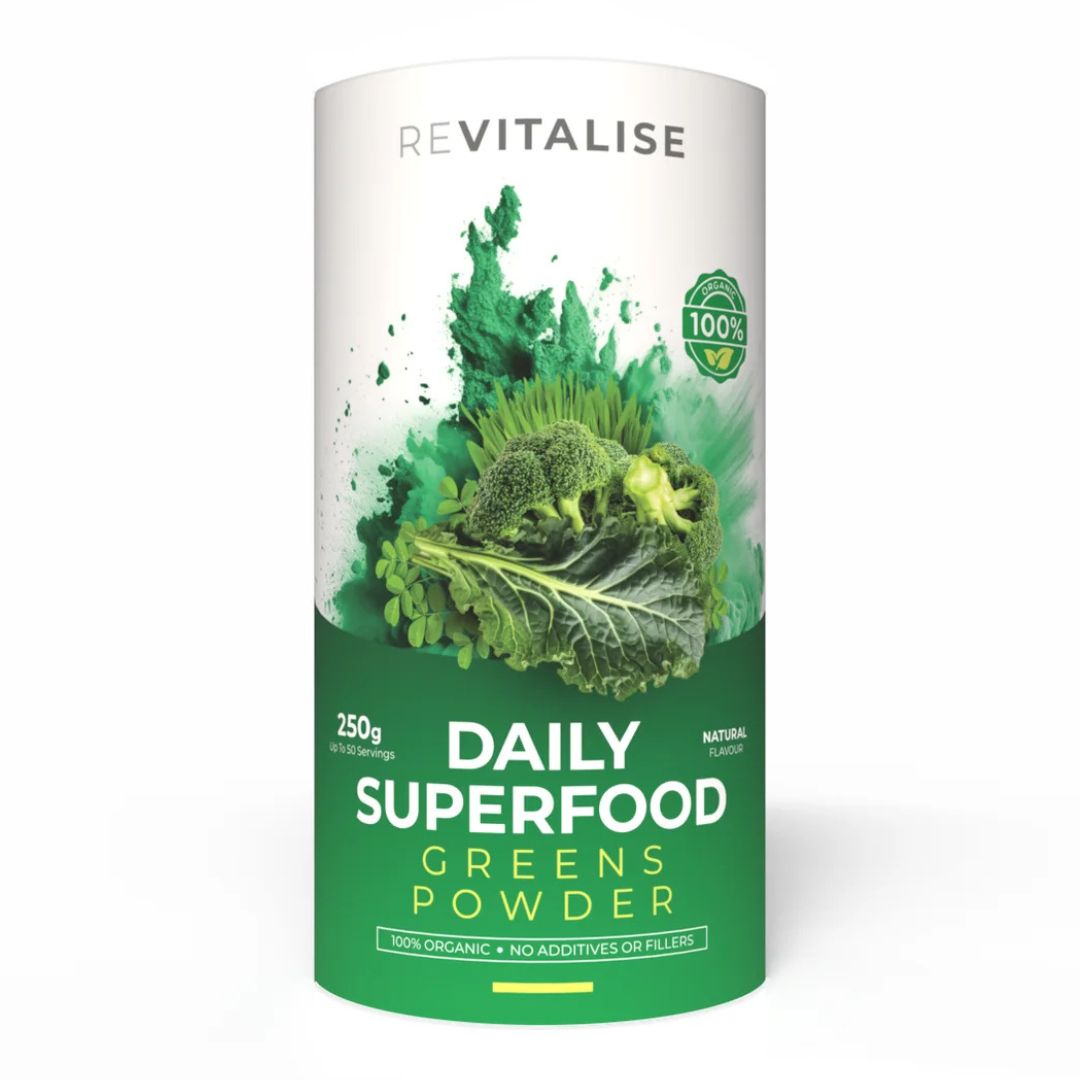
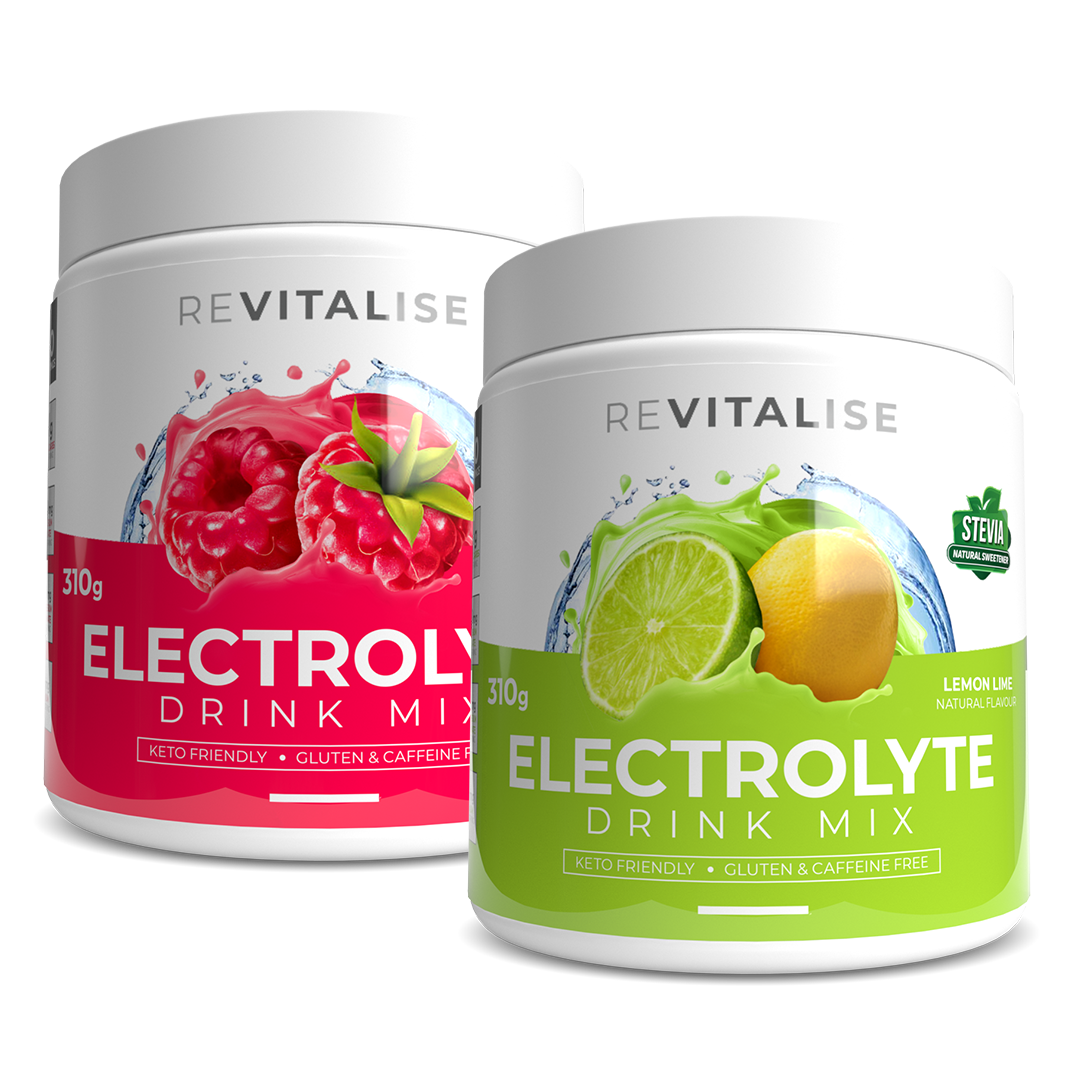
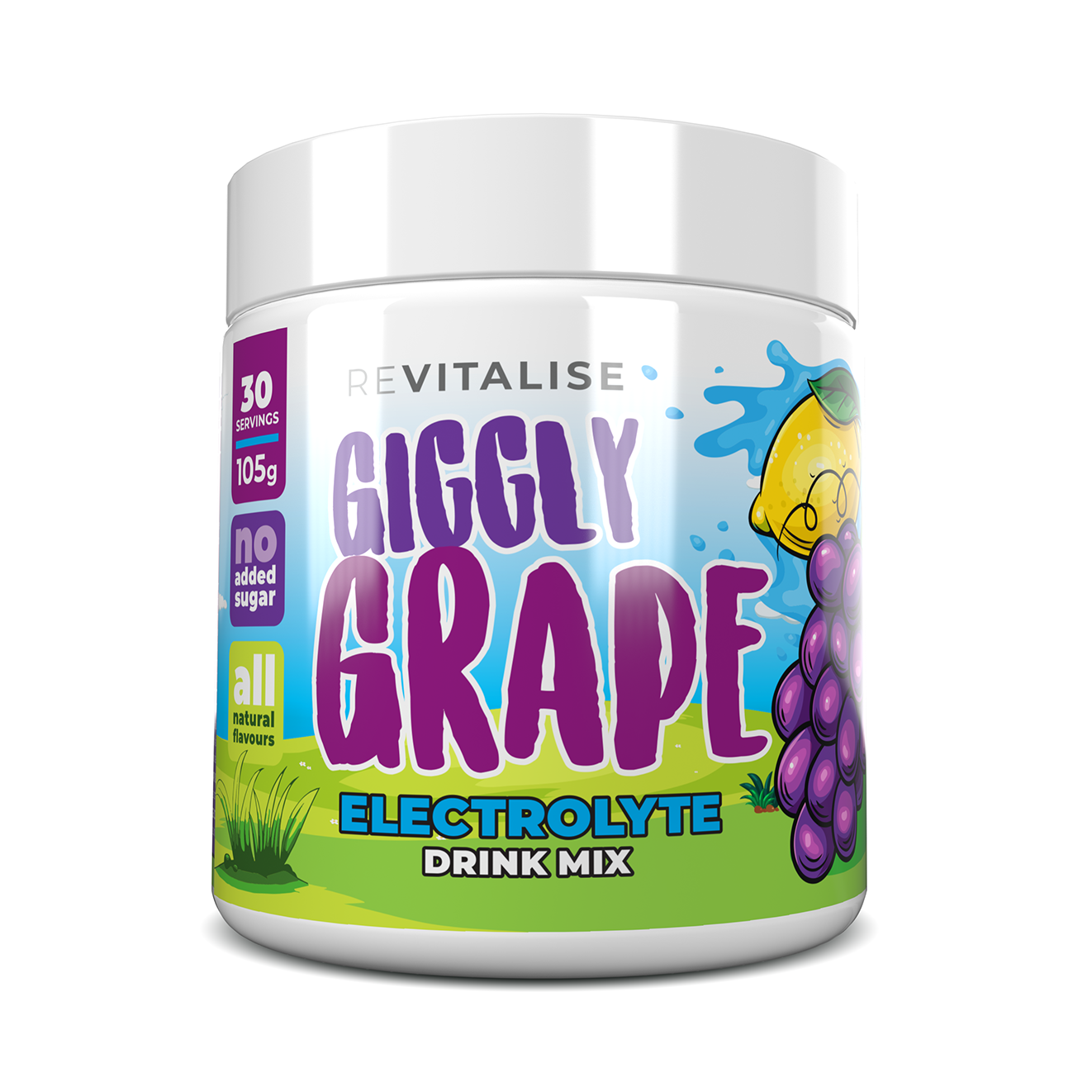
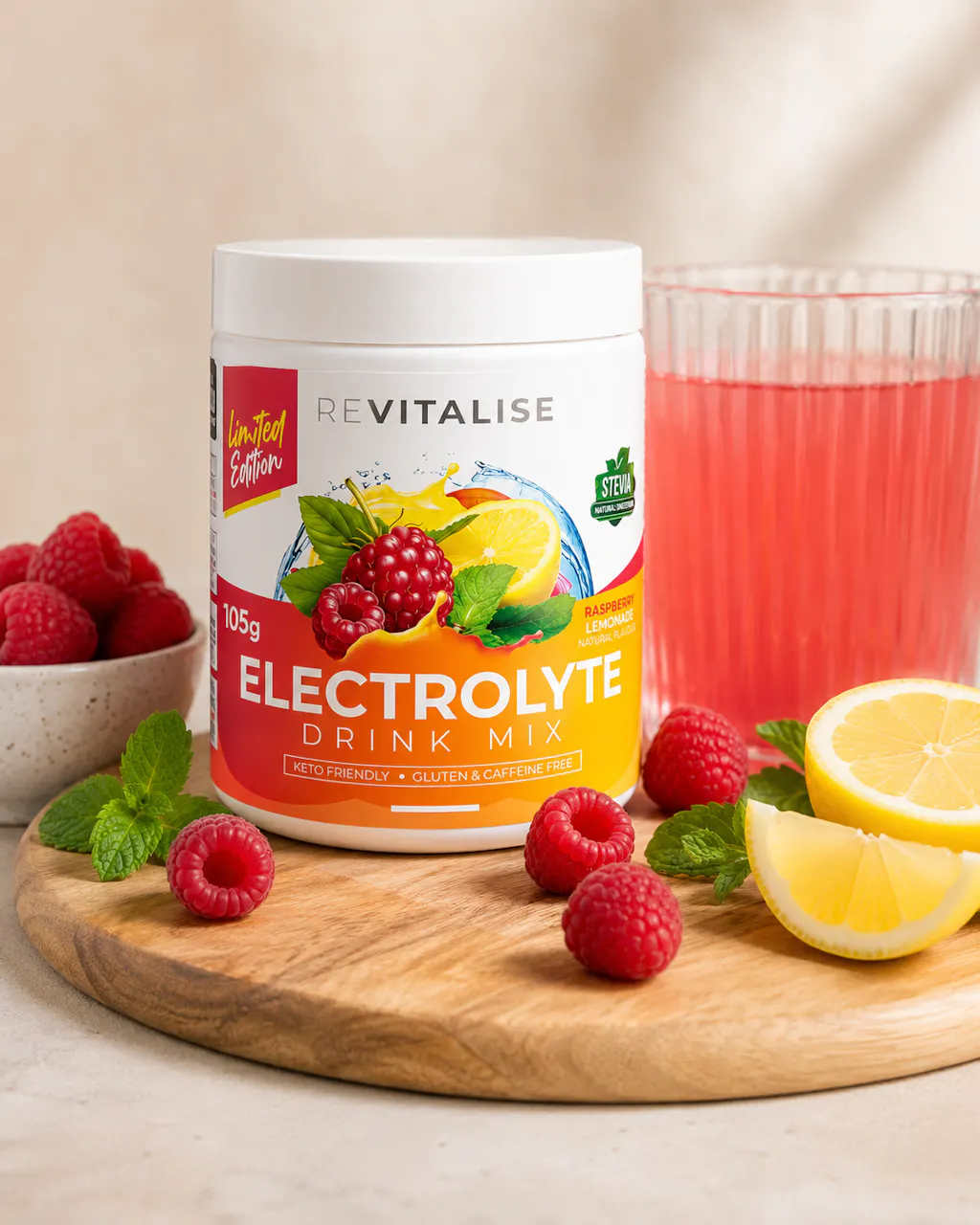
ReVitalise Daily electrolytes are designed to make hydration simple, refreshing and easy to stick with. Our formulas are sugar-free, caffeine-free and made for everyday routines, whether you are active, busy, travelling, training or just trying to feel more consistent throughout the month.
For women who want hydration support without sugary drinks, ReVitalise Daily can be an easy addition to your daily wellness routine. It is not about doing everything perfectly. It is about giving your body the basics it needs more consistently.
When to Speak to a Health Professional
It is normal for many women to notice changes across the month, but symptoms that feel severe, unusual or disruptive should not be ignored. If you regularly experience intense pain, extreme fatigue, heavy bleeding, dizziness, severe mood changes or symptoms that affect your daily life, it is best to speak with a qualified healthcare professional.
Hydration can support your routine, but it is not a replacement for medical advice or treatment. For more general information about premenstrual symptoms, you can refer to guidance from ACOG or speak directly with your GP or healthcare provider.
Your Body Changes Throughout the Month
Hydration can feel different for women because your body does not feel the same every day. Energy, cravings, bloating, fatigue and motivation can all shift, and that can make your usual habits feel harder to maintain.
Keeping hydration consistent is one of the simplest ways to support yourself through those changes. By drinking enough fluids, using electrolytes when needed and paying attention to how your body feels, you can build a routine that supports you through training days, busy days, slower days and everything in between.
Your body changes throughout the month. Your hydration routine can support you through it.